
Brushing your teeth is probably a standard part of your daily routine, but chances are you aren’t following the American Dental Association’s guidelines for cleaning your teeth properly. The ADA currently recommends that you brush your teeth at minimum of two times each day – preferably morning and night or anytime you eat foods that … Continued
Learn More: How to Brush Your Teeth
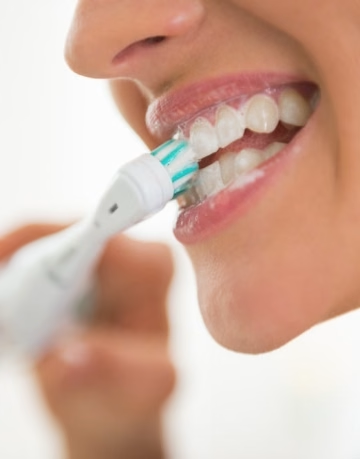
Preventative dentistry is about more than just visiting your dentist twice yearly for an exam and thorough cleaning. In fact, the majority of your preventative care is done at-home as a part of your normal hygienic routine. Many residents use manual toothbrushes to remove debris and plaque from their teeth. However, electric brushes have become … Continued
Learn More: Electric Brush vs. Manual Brushes

Flossing is an important part of an oral hygiene routine, but research suggests that fewer than half of Americans do so daily. Flossing is simple and only takes an extra couple of minutes per day. Developing a healthy habit of flossing can prevent tooth decay and gum disease, and it may allow you to keep … Continued
Learn More: How to Floss Your Teeth

Fluoride is a naturally occurring element that has been shown to help strengthen teeth in children and also prevent decay in people of all ages. Topical fluoride, in particular is helpful for promoting oral health. The American Dental Association has publicly endorsed the use of fluoride for the prevention of dental caries, as has the … Continued
Learn More: Fluoride and Decay Prevention

If you are undergoing a dental procedure or operation, you will be given a set of post-operative instructions to abide by in the hours, days, and weeks after your treatment. Following these instructions is essential to preventing infections in surgical sites, protecting restorations, and minimizing the possibility of experiencing complications. Post-operative instructions vary from procedure … Continued
Learn More: Dentistry Post-Op Questions
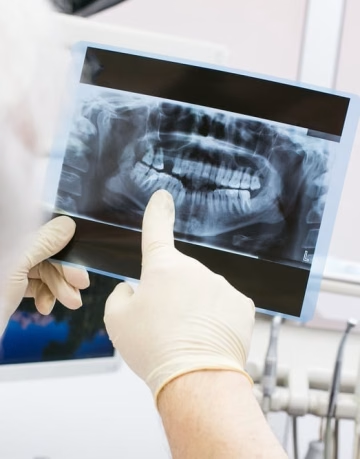
For years, dental x-rays have been used to diagnose oral health complications and detect decaying or damaged teeth. X-rays provide a unique view of the mouth that isn’t possible with a visual exam alone. When x-rays are taken, the teeth and bones absorb the majority of the ray, making them highly visible on film or … Continued
Learn More: Dental X-Rays
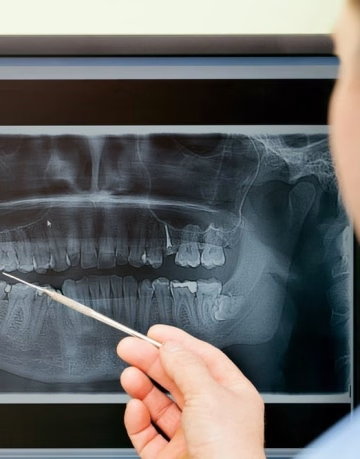
Digital x-rays are a more streamlined way of taking dental radiographs. Like traditional x-rays, digital versions provide an in-depth view of the structures of the mouth, helping dentists detect complications and develop effective modes of treatment. Digital x-rays are capable of revealing hidden caries, bone erosion, and even tooth decay hiding beneath restorations. Requiring less … Continued
Learn More: Digital X-Rays